

 Cart is empty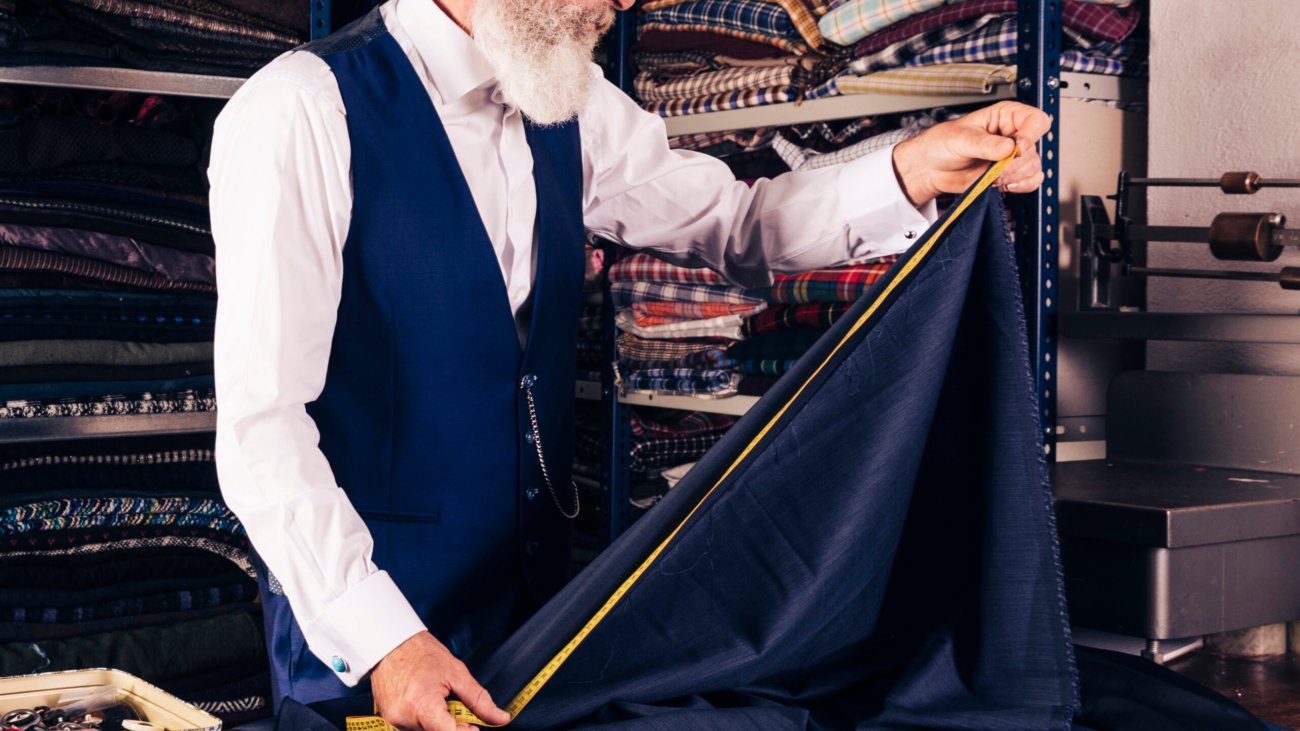
Energy. How long does it typically take to sew uniforms together? The answer varies based on many factors. The time it takes to stitch uniforms depends on the complexity of the design, the stitching type, as well as whether or not the uniform has any custom fit options.
When developing custom uniforms for your workplace (school, company, or hospital), it is important to understand the timeline for uniform stitching. To do that, you need to have some understanding of what goes into the stitching process.
The Uniform Stitching Development Process:
The first step of creating a uniform is to define the design of the uniform and analyze the client requirement. A client’s requirement includes several components (i.e. fabrics, color, and logos). Depending on when a decision is made by the client, the Requirement Analysis or Fabric-Pattern Design phase can take anywhere from 1-6 days to develop and finalize.
- Requirement Analysis and Design Finalisation
Before you start stitching, it’s important to fully understand the client’s requirements, including fabrics, patterns/designs, colours, logos, etc. This stage could take anywhere from a couple of days up to a week depending on how fast decisions are made.
- Measuring and Sizing
Getting accurate measurements is extremely important, especially with bulk orders. Schools & organisations usually have a standard size chart. For custom orders, each individual would need to be measured. This step ensures your garments will fit correctly and eliminates alterations down the line and saves time and money.
- Procurement and Planning of Fabric
The next step after the designs and sizes have been confirmed, is sourcing and preparing the fabric. Only high quality materials are chosen for garments that are comfortable and durable. Once the fabric has been chosen, it is cut according to the specific patterns with precision and care.
- Stitching & Assembling
This phase is really where the tailors work to create the actual garments based on the designs. The time taken for stitching/assembling of bulk orders can vary greatly depending on how complicated the design is, e.g. more than one pocket, lining, embroidery will generally take approximately between 2 days to 3 weeks to sew.
- Checking for Quality and Finishing
Each uniform goes through a quality check after being sewn to ensure good quality of stitching and that they fit properly and are finished correctly before they can ship. In addition to this, at the time of the quality check, the garments may receive their last finishing stages that include pressing, trimming of loose threads and packaging.
How Long will It Take?
The time it takes to sew a uniform can vary due to the number of pieces in a customer’s order and its complexity:
- Small Order — 10 – 50 pieces = 3 to 7 days
- Medium Order — 50 to 200 pieces = 1 to 2 weeks
- Large Order — 200 or more pieces = 2 to 4 weeks
These timelines are subject to change due to custom orders, fabric availability, or due to increased demand that can occur during peak seasons.
Does Stitching Time Affect Cost?
Yes, the time needed to stitch a uniform is one of the primary factors that affect the total cost of your uniform production. Here are some examples of how this works:
1. Need it Quickly, Need it Fast!
When uniforms are needed immediately, additional employees, overtime hours, and any other resources that may be necessary to produce the uniforms on time will increase your cost for the stitching of the uniforms.
2. The Complexity of the Pattern
Patterns with extensive stitch detail such as embroidered logos, silk-screened designs, etc., will take longer to complete than simple patterns. The longer it takes to stitch the pattern is also a significant contributing factor to the cost of the unit as it is a skilled labor-intensive process that requires precision.
3. Volume Will Save You Time and Money
In most cases, larger orders tend to take less time per unit due to the production process being streamlined when there is a large volume to produce.
4. Availability of Fabric and Materials
If you need a specific type of fabric or material and it is not readily available, it may cause a delay in obtaining the material and therefore increase costs and stitching time. The best way to eliminate potential delays and expense is to use materials that are readily available.
Ways To Optimize Time And Costs
Using the tips below will help keep your stitching process moving without delay or excessive cost:
- Plan Ahead
By preparing well in advance you allow yourself time to create your design, take measurements, and produce your project without having to incur additional costs due to rushing things.
- Make Design Approvals Quickly
Waiting a long time to get approval on designs will delay the whole process. Using a process which provides frequent feedback will also allow you to keep your project moving forward.
- Use Practicality When Designing
Complex designs may look great; however, the simplicity of a design makes it more practical, less time-consuming, and less expensive to manufacture.
- Make Accurate Measurements
Poor measurement can lead to errors which will incur additional time and cost. Using standardized sizing will allow for more efficient processing of this step in the stitching process.
- Provide Clear Communication With Your Stitching Team
The most important thing in the communication process is ensuring that everyone is on the same page and problems are addressed quickly.
Why Timely Delivery Is Important
A uniform serves as an important part of an organization’s identity; it shows the organization’s professionalism. Delivery delays can create havoc for an organization’s operations, whether for an academic term or company event. When stitching is done in a timely manner, the uniform will be available when needed and helps to maintain an organization’s positive image and smooth operations.
Unimaq focuses on production efficiency through technology & experienced craftsmen, along with timely deliveries. With these three core principles, Unimaq can ensure that their uniforms will consistently maintain the highest quality of production while making it possible to be delivered on-time.
Balancing Cost, Quality, and Time
There is an important balance between the time to complete a uniform versus the cost to complete it. For example, you may pay more for fast delivery, but cutting corners in quality to save time may lead your uniform to wear out faster and not fit well. Investing in a well-constructed uniform with quality materials will help to ensure your uniform has a long life and will provide a comfortable fit, ultimately giving the most value.
Your organization should be focused on planning ahead, selecting appropriate designs, and working with experienced professionals who can consistently provide you with a uniform that can be delivered on-time without unnecessary delays.
Final Thoughts
Uniform stitching involves a lot of detail and takes time, knowledge, and thoughtful planning. Timelines differ from one order to another based on size and complexity, but knowing the impact of those factors on uniform stitching charges will allow you to make informed decisions throughout the process of creating a uniform order.
Choosing a trusted stitching partner is essential to getting high-quality, durable, well-made uniforms, delivered on schedule. The right approach will create the ultimate balance of quality, price and delivery timing. This will help your organization always present itself as its finest.
If you are ready to start your uniform project, develop your uniform requirements now and see how exceptional craftsmanship and quick service add value to your project.
