
uniform stitching

How to Choose the Best Uniform Stitching Service Near You? 

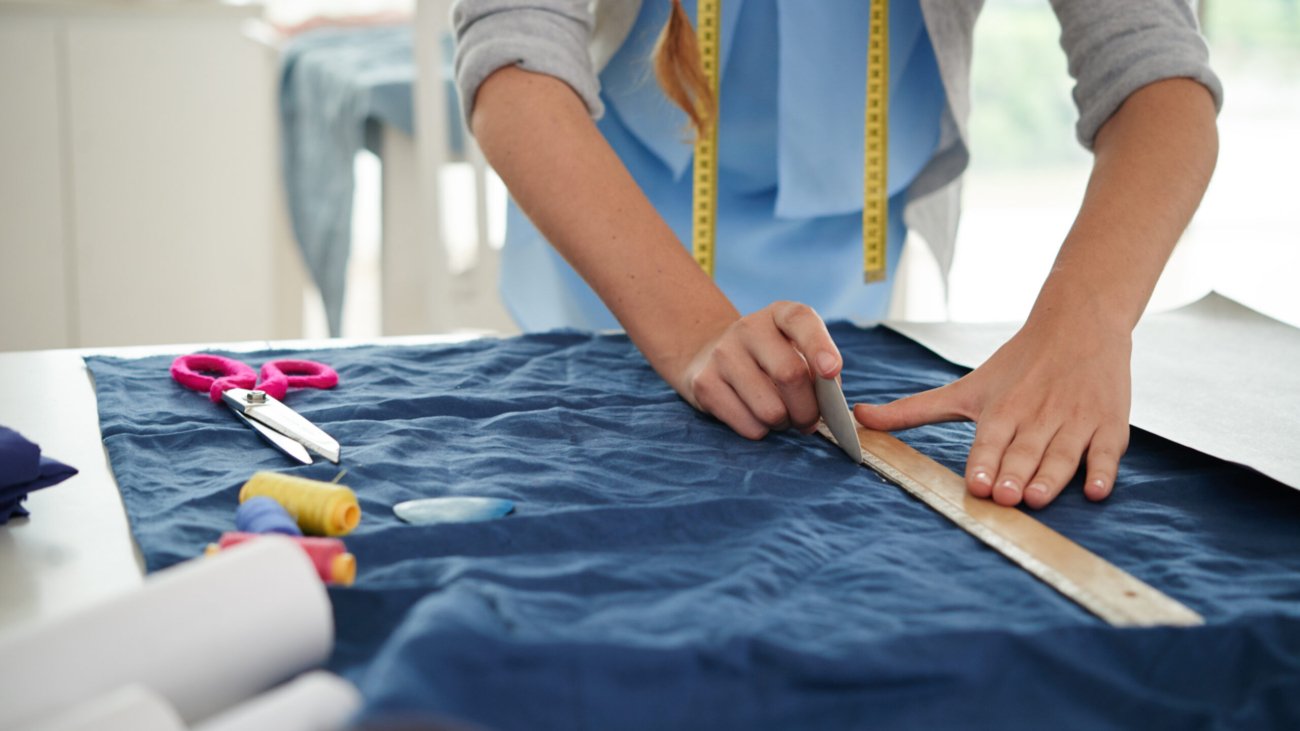
Uniforms are a powerful force when it comes to establishing professional identities, regardless of whether those uniforms are for schools, colleges, businesses, or healthcare organizations. The design and quality of the uniforms as a whole represent the discipline, unity, and brand value of the organization that they wear. The stitching of the uniforms is just as important. Stitching has to be done with accuracy and care, while also ensuring that the finished product is Comfortable, Durable, and Stylish. 

There are numerous uniform stitching services out there. However, how do you know which one is the best for you? Knowing the level of quality that a company produces, their turn around time, and their pricing can overwhelm anyone trying to choose a service that is right for their needs. This guide will assist you in making an educated decision about what company to choose to service your organization. 

 Choosing the Right Stitching Service is Important 

Uniforms are typically worn throughout the course of the work day. Therefore, if the stitching is not performed well, it can lead to discomfort for the wearer, as well as causing rapid wear and tear, and ultimately creating an unprofessional appearance for an organization. Stitching that has been done well will result in: 

  •  A great fit for all shapes and sizes 
  • A long product life 
  • Maximum Comfort throughout the work day 
  • A polished and professional appearance for your organization. 

When you choose a good stitching service, you are not just making a purchase; you are making an investment into the image of your organization. 

Important Factors to Think About when Selecting a Uniform Stitching Business 

I) Expertise and Experience

The first element to consider is experience within your provider’s field. The longer they have been in service, the more familiar they will be with varied needs, including: 

Academic Institutions will want to use uniforms that hold up to wear/tear, along with being easy to care

Business Entities have a need for professional, sharp and formal styles

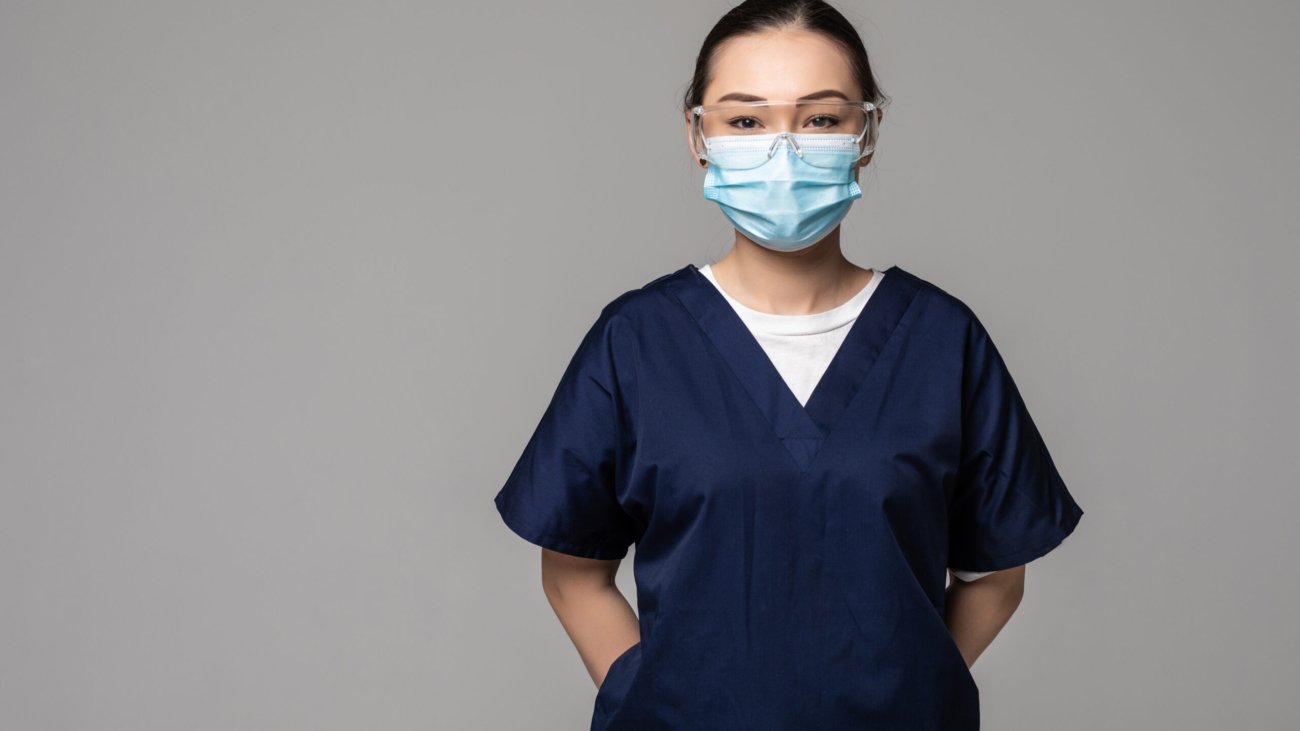
Health Care organizations have a need for uniforms that will maintain their hygiene and provide plenty of comfort while performing the necessary duties of their position. 

 Since the demands of each are unique, experience alone should be a factor when choosing your service provider to be able to create uniforms that meet each of the requirements, while also delivering to you the same level of professionalism each time.

II) The Quality of the Stitching and Workmanship 

Stitching can vary widely from provider to provider, so you should take care when selecting your service partner, paying special attention to: 

  • Seam quality and finishing; 
  • Uniformity of stitches; and, 
  • Reinforcement of high stress areas. 

 High-quality stitching will ensure that your uniforms will stand up to the daily wear required by each respective work environment, and they will not tear or break because they are made with quality craftsmanship. 

III) Fabric Selection and Compatibility 

High-quality stitching will not make up for the use of sub-standard fabric, it is the responsibility of a high-quality stitching service to work closely with you to ensure that you select the appropriate types of material for their subsequent practical application, including:

  • Breathable fabrics for comfort; 
  • Superior quality fabrics for durability; and, 
  • Low-maintenance fabrics for convenience. 

By utilizing the correct combination of fabric type and stitching quality, your uniform will be both comfortable to wear and durable for continued use. 

Various stitching service providers, known for their state-of-the-art technologies and tools, are constantly improving these technologies to enhance efficiency and improve quality. 

The following are examples of advanced techniques used by many modern stitching companies: 

 1) A precise cut to create a precise size 

 2) Advanced sewing methods for greater longevity 

 3) Multiple options for printing logos and designs 

Using these techniques allows for consistency when creating. This is particularly true when creating uniforms in a large volume. 

 Timeliness 

Time is an extremely important factor for businesses and institutions that operate on a schedule or deadline and having no or delayed delivery of uniforms can greatly affect operations and create inconvenience to businesses. 

 Some of the most reliable stitching services will: 

 1) Promise to meet their deadlines 

 2) Have the ability to fulfill large volume orders 

 3) Have consistency with regard to delivery time 

Reliability in terms of delivery demonstrates professionalism and creates confidence that you can depend on your supplier. 

Fit & Comfort 

Uniforms should look good, but they must also feel good. A poor-fitting Uniform will affect someone’s confidence and productivity. 

 Dependable stitching services will provide: 

 1) Measurement Accuracy 

 2) A Cut/Design that is Comfortable 

 3) Flexible Design 

This is especially critical for students, healthcare workers, and/or employees who wear a Uniform for more than five hours at a time.

Cost vs. Value 

Budget is always a consideration, but choosing the cheapest does not always equal the greatest value. The focus of your search should be based on the overall value and not just the price: 

 -Quality of Stitching 

-Durability 

 -Level of Customization 

 -After-Sale Support 

Investing in quality stitching will ultimately save money. 

Avoiding Common Pitfalls When Choosing a Stitching Company 

If you are looking for someone to make your uniforms, there are several major pitfalls you want to avoid: 

  1. Lower Price Equals Lower Quality: This will cost you much more money in the long run. 
  1. Don’t Request Samples: You need to see what they have done in the past before you decide. 
  1. Overlooking The Timeline: If they take too long on the order, it will mess up your entire plan. 
  1. No Accurate Measurements: If they don’t take the time to measure correctly, your employees will not have a good fit and will still be uncomfortable. 

Be aware of these traps, and you will choose the right company for your needs. 

Why Consistency Matters In Bulk Orders 

Uniforms are almost always ordered in bulk for businesses. For this reason, consistency is very important: 

  1. All uniforms need to look the same and be made of the same quality. 
  1. All garments need to be manufactured to the same accurate size. 
  1. All units of a bulk order need to have the same stitching. 

A professional uniform stitching company guarantees that your company’s uniforms will all be manufactured with the same high standards, regardless of the number of garments ordered at one time.

Strengthening Your Business Image 

Uniforms are often the first thing a person sees when they see your company. Well-designed, expertly stitched uniforms exhibit: 

  1. Professionalism 
  1. Attention to detail 
  1. A commitment to quality 

The right uniforms can increase the positive perception of your organization no matter where you are (classroom, office, or health care).

A Good Way to Create Consistent Stitching on Uniforms 

Uniforms are produced using high-end fabric and experienced sewing professionals working together to ensure that the final product looks good from all angles and won’t fall apart after use. 

Schools, colleges, large businesses and hospitals all require uniforms made to specific standards in terms of style (design, colour, etc.), quality (material, construction and care), customisation (for name/number) and delivery time. Many suppliers specialise in providing these types of uniforms. 

Summary of Tips for Choosing the Right Uniform Supplier Near You 

Finding the right uniform supplier doesn’t need to be a complicated process. Use the following guidelines to find a uniform supplier that meets your requirements: 

 • Experience – do they have many years of experience producing uniforms? 

 • Quality – do they provide high quality? 

 • Customisation – do they offer what you want in your uniform, such as your company name and/or logo? 

 • Reliability – will they deliver your order on time, every time? 

 • Comfort – will your employees feel comfortable wearing the uniforms? 

 • Durability – will your uniforms stand up to normal wear and tear? 

 • Impact – will your employees or customers remember seeing your uniforms – for good or bad reasons? 

Final Thoughts  

Take some time to evaluate your options and ask questions about the above items before selecting a supplier. Your uniform supplier should help create an identity for your business or organisation through consistency and professionalism with your uniforms. Choosing the right supplier means they will provide uniforms that enhance the overall look of your business or organisation, while also giving your employees or customers confidence in their appearance when wearing them. 
nursing uniform

Which Fabric Is Best for Nursing Uniforms in Hot Climates? 

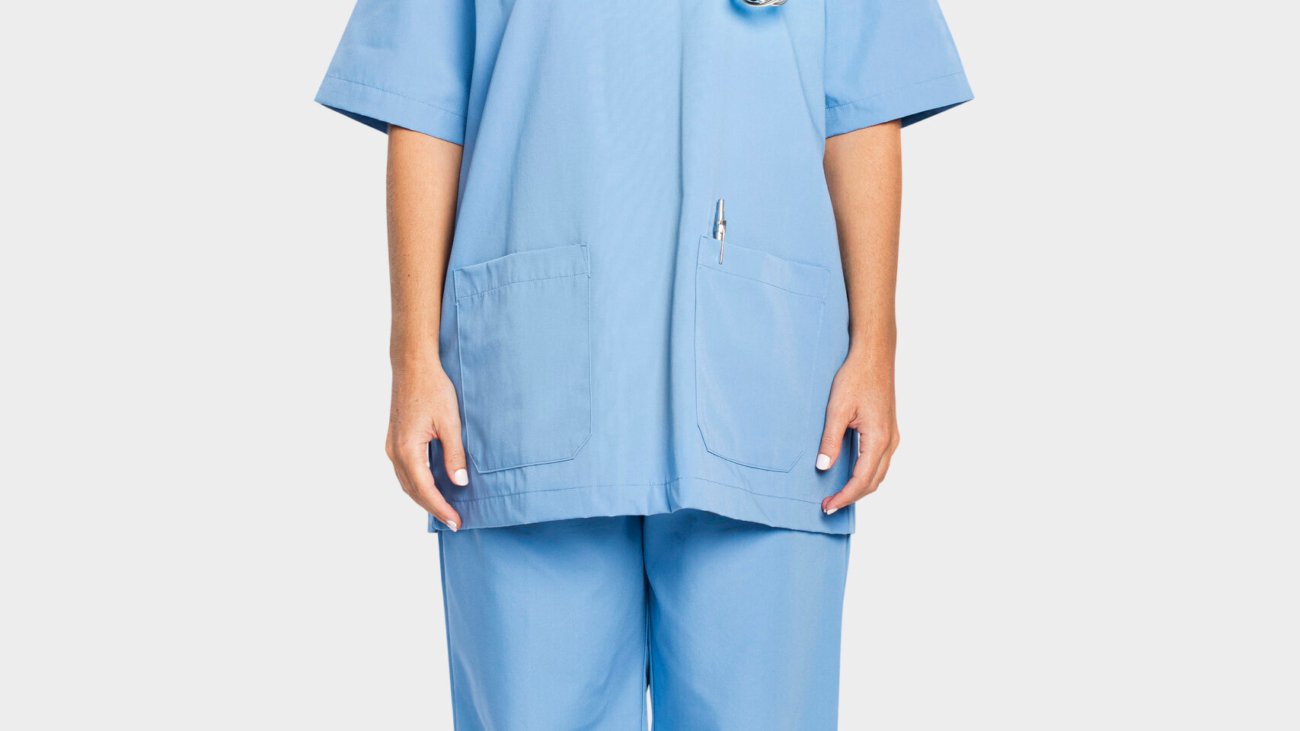
Comfort is essential in a healthcare setting, not luxury. The type of nursing uniform worn by healthcare professionals who work long hours in difficult environments can greatly affect their performance and health. This continues to be a larger issue in hot climates where high humidity and temperatures will cause discomfort, fatigue, and a variety of health concerns. The most important component in providing comfort to healthcare workers is the fabric of the nursing uniform; however, there is an overwhelming amount of fabrics available; therefore, when it comes down to it what is the best nursing uniform fabric for warm environments? 

To help answer that question, we will look at the best fabrication choices for nursing uniforms, the benefits of each type of fabric, and how to choose a fabric that provides maximum comfort and durability.

 Impact of Fabric Type on Hot Climates 

Hot climates present unique challenges to nursing professionals such as continuous perspiration, high levels of humidity, and extended periods of exposure to the sun. Therefore, the fabric used in nursing uniforms needs to perform beyond appearance. The nursing uniform fabric should: 

  • Provide adequate air circulation 
  • Wick perspiration and allow evaporative cooling 
  • Lightweight and soft against the skin 
  • Withstand repeated washings without losing shape. 

A nurse wearing the wrong type of fabric will experience discomfort, skin irritations, and decreased productivity. A nurse wearing the right type of fabric will stay cool and dry and perform better. 

Best Fabrics for Nursing Scrubs in Humid Conditions 

1) Cotton – The Natural Way to Stay Comfortable 

When it comes to hot weather fabric, cotton is typically the preferred choice – and there are many reasons why cotton is the preferred fabric. Firstly, cotton is an all-natural fiber that allows air to pass through it and is also quite soft. 

Benefits of Using Cotton: 

  • Good air circulation allows body temperature to remain lower 
  • Very absorbent, assists in controlling body temperature through evaporation without becoming wet 
  • Not irritating to skin thus minimizing potential for skin irritations 

The one disadvantage of using cotton as a fabric for scrubs is that 100% cotton is very wrinkle-prone and takes longer to dry than other fabrics. Despite this drawback, cotton remains a very popular option for those who place an emphasis on being comfortable. 

2) Polyester Blends – The Best of Both Worlds 

Polyester blends, particularly those that combine polyester and cotton, are the most widely used materials used to make nursing uniforms, as they combine the softness of cotton with the strength of synthetic fibers.

Why Choose a Blend? 

  • More durable 
  • More resistant to wear 
  • Dry more quickly than 100% cotton 
  • Less wrinkle and shrinkage 

 Blends made from at least 50% cotton and 50% polyester generally provide the best combination of comfort and functionality for those who work in hot environments. 

  1. Rayon – Light and Cool Fabric 

Rayon comes from both plant-based and synthetic materials. It is light in weight and has a smooth texture that makes it very comfortable in warm temperatures. 

Advantages of Rayon – Keeps you cool, wears comfortably, produces good appearance and is very breathable. 

Rayon can provide a softer look and flexibility for professionals with a comfortable fit. 

  1. Linen – The Ultimate Cooling Fabric 

Linen is one of the best fabrics for extremely warm weather because it breathes extremely well and wicks heat away from the body. 

Benefits of Linen

Allows for excellent air flow, dries quickly to keep you feeling clean, naturally resistant to bacteria. 

The only drawback of linen is that it creases and wrinkles easily. However, for those that live or work in extremely high-heat areas, its superior cooling properties usually outweigh the disadvantage of being prone to creasing and wrinkling. 

the nursing uniform adds to its comfort level by allowing perspiration to evaporate quickly away from the skin. A blended fabric (cotton, polyester) typically has the moisture management properties of each fiber, resulting in a well-rounded product. An example is a cotton/polyester blend with an added layer of moisture-wicking polyester. 

Finding the Right Balance 

Nursing uniforms should be versatile enough to adapt to changing work settings. The key to finding a great fabric is evaluating how each performs under various conditions. Consideration should be given to the specific use, performance seams, weight and stretch potential. By analyzing each factor, it will be easier to determine which fabric will meet your needs for maximum comfort, performance, style and care with minimal effort. 

Matching the type of fabric used to the environment and the wearer’s unique needs is essential. When in environments that are extremely humid, moisture-wicking fabrics that dry quickly will work best. In areas of moderate heat, breathable natural fabrics such as cotton or linen will generally suffice. 

The Role of Craftsmanship 

The quality of the fabric selected is just one consideration when selecting an appropriate uniform, but how the uniform is constructed also plays a significant role in the comfort level of the wearers. For example, proper tailoring will improve air flow through a uniform, while the construction of seams will reduce the amount of irritation experienced by wearers as well as prolong the life of the uniform’s fabric. 

Quality stitching, thoughtful design, and attention to detail will ensure that even the most basic uniform material is converted into an effective functional uniform that can support healthcare professionals all day. 

Final Thoughts 

In general, selecting the correct fabric type for nurses working in a warm climate is detrimental to the comfort, efficiency, and overall well-being of the nurse. The benefits offered by cotton’s natural breathability, the wearability of fabrics made with various blends or moisture-wicking technology are all different types of fabric that can be used for healthcare professions. 

Organizations interested in providing their teams with the best possible uniforms should put some emphasis on fabric type and quality craftsmanship of their vendors. Providing healthcare personnel with comfortable and functional uniforms not only increases productivity and job satisfaction but also creates a better overall work environment.

medical uniform

The Importance of Breathable Fabrics in Medical Uniforms 

Healthcare professionals work long hours in demanding situations and require comfortable clothing. Not only are uniforms designed to look appealing, but the materials used to make uniforms are important to comfort, cleanliness and high standards of care. The most important feature regarding medical uniforms is breathability. Let’s take a closer look at how important this feature is for medical professionals when considering purchasing their medical uniforms. 

Why Breathability Matters in Healthcare Settings 

Medical staff are constantly on the move  walking, lifting, bending, and responding to urgent situations. These activities naturally increase body temperature. When uniforms trap heat and moisture, discomfort sets in quickly. Breathable fabrics allow air circulation, helping regulate body temperature and keeping the wearer cool even during high-pressure tasks. 

Studies on workplace comfort show that proper ventilation in clothing can significantly reduce fatigue and improve focus. In healthcare, where attention to detail can affect patient outcomes, staying comfortable supports better performance. 

Moisture Management and Cleanliness 

Breathable fabrics are made with moisture-wicking properties to help draw moisture from the body. If sweat stays on the skin, it creates an environment for bacteria to grow and causes skin irritation. In a healthcare setting, cleanliness is vital not only for the employee wearing the uniform but for patients as well. 

Moisture-wicking fabrics also allow uniforms to dry quickly, reducing the chances of staying wet for long periods of time, and therefore minimizing odour. This helps keep healthcare workers feeling fresh for the entire length of their shifts regardless of how long they are working. 

Improved Comfort for Extended Shifts 

Many doctors, nurses and support staff have work days that exceed eight hours long. When wearing clothing that traps heat or restricts motion during these longer shifts, workers could experience an increase in stress. Breathable fabrics will allow for lightweight and comfortable apparel allowing for free movement and reducing skin irritation. 

When uniforms are comfortable, it allows employees to concentrate on their duties and not have any distractions due to discomfort. 

Increased Flexibility and Mobility 

Many times breathable fabric is blended with a type of fabric that provides flexibility, allowing for movement without restriction, when medical professionals reach for equipment or help patients, to be able to move freely is important. 

When uniforms are designed to allow natural movement, this contributes to increased efficiency and decreased strain on the body while performing physical tasks. 

Environmental Temperature Control 

There are distinct temperature zones in hospitals and clinics; operating rooms are usually colder and patient rooms are usually warmer. This type of temperature variation can create thermal comfort problems for healthcare workers. Breathable fabric has properties that help mitigate these types of issues by allowing excess heat to escape while providing comfort to the individual. 

Durability with Comfort 

Contemporary breathable fabrics are constructed to be lightweight yet durable. Healthcare workers regularly launder clothing due to their job and therefore need high-quality materials that will last through many wash cycles and still maintain their original shape and performance quality. Because of this combination of comfort and durability, breathable fabrics are well suited to be used for medical uniforms. 

A Practical Tip for Selecting Medical Uniforms 

When choosing a medical uniform, select one that includes some or all of the following features: 

1. Moisture-wicking properties. 

2. Lightweight and soft textures. 

3. Quick-drying ability. 

4. Flexible fabric blends. 

5. Ease of maintenance and wash resistance. 

 All of these features will help the medical uniform remain comfortable and hygienic during the entire time it is worn. 

How Wearing a Medical Uniform Affects a Professional Image 

The right material can also help maintain a uniform’s neat appearance. If someone sweats too much while wearing their uniform, it can be stained and creased, negatively impacting how they look. Keeping your body cool and dry will help you maintain a clean and professional image. 

A neat appearance contributes to a patient’s confidence in the healthcare provider. A healthcare provider wearing a neat uniform shows that they are someone who has discipline and takes care of themselves. 

How Comfort Has a Positive Impact on Productivity 

When medical professionals are comfortable and experience no distractions (e.g., overheating), they can give their full attention to caring for patients. By keeping the body cool and dry, breathable fabrics reduce the amount of physical strain on healthcare providers and keep them alert and energized. 

Over time, being able to focus solely on the job at hand will produce greater job satisfaction and lower levels of fatigue, both of which are critical in high-stress medical careers.

Conclusion 

A breathable fabric isn’t just a nice addition to a medical uniform; it is the core characteristic necessary for a medical uniform to serve its purpose effectively. Breathable fabrics promote hygiene, mobility, thermal balance and overall performance in healthcare practitioners who serve others.  They also give the healthcare practitioner clothing that cares for them too! 

double stitching

Why Double Stitching Matters in Work Uniforms 

The amount of wear and tear that work uniforms experience in one day can be equivalent to the amount of wear and tear that regular clothes would receive over a week. Employees bend over, lift things and use their bodies to move for long periods of time every day, meaning the demands on these pieces of clothing are extremely high. Because of this, the quality of fabric is extremely important. One example of this is the use of double stitching. 

What Is Double Stitching? 

Double stitching is a sewing method in which two rows of stitches are sewn (parallel) along a seam. This technique adds strength to the fabric at the seam and makes the garment stronger than other options that only use one row of stitching at a seam. Double stitching is commonly used in uniforms for work, schools, and industries where a uniform needs to be able to withstand an immense amount of use. 

You can think of double stitching as providing extra support at the places that have the greatest risk of being pulled or stretched. Much like how buildings need strong foundations to remain standing, uniforms require reinforced seams to remain intact under pressure. 

  1. Double stitching increases durability. 

The main benefit of double stitching is that clothes last longer. Work uniforms have continuous movement and rubbing due to constant wear and tear, and sometimes the work required of them is very heavy duty as well, therefore there is a high chance that the threading on one stitch will become loose over time, while double stitching has the added strength — therefore reducing the possibility of the seams splitting. 

Factory employees and technicians do a lot of repetitive motions. Adding the additional seams to the areas of the shoulder, pocket area and on side panels indicates that these will hold together over repeated movement. Therefore, in the long term, there will be fewer replacements, resulting in savings. 

2. Double stitching protects against stress points. 

Uniforms receive different amounts of pressure in different areas of the body when physically active. Top – elbows; knees; underarms; and pockets, are all examples of the areas that bear the majority of the physical activity of an employee’s job. The purpose of double-stitching at these stress points is to spread the tension of the material over two lines of thread as opposed to just one line of thread. 

By adding the second line of thread at these points, you reduce the chance of the fabric tearing. In environments where safety is of the highest priority when working with others, strong seams are more than just a comfort feature. They are vital for safety

3. Longer Lasting Shape 

Have you ever noticed how one of your dresses becomes misshapen after several washes? The double-stitching will provide better shape retention for the garment since the seams are reinforced to prevent sagging or distorting the garment from the body.  

A uniform that keeps its shape gives a more professional appearance to the business, regardless of whether it be an individual in a corporate environment or on a factory floor, appearance is still important. A uniform in good condition shows the level of discipline and reliability of a person. 

4. Cost Effective 

While double-stitched uniforms may cost slightly more than a single-stitched uniform today, they are far more cost-effective over time. Because of their stronger seams, they will require fewer repairs and replacements in the future. Uniforms purchased in bulk will have the greatest benefit from this durability, as they will last much longer after regular wear and use. 

Think of it as an investment in the level of quality you provide instead of a one-time purchase. 

5. Enhanced Comfort and Flexibility 

Increased Comfort And Flexibility Stitching does not have to be uncomfortable; in fact, when done well, it is the opposite. Double stitching helps to stabilize seams and allows the fabric to flex naturally, therefore reducing the amount of pulling on the fabric and resulting in less discomfort when performing physical tasks. 

When working in an environment where comfort is a consideration, employees will be more productive because they will be able to concentrate on completing their job duties without worrying about how their uniform feels. 

6. Professional Appearance 

Professional Appearance Stitching that is neat, clean and reinforced gives the appearance of a high-quality uniform. Double-stitching generally provides a crisper finish to uniforms, especially around collars, sleeves and hems. The use of such small details leads to an impression of superior quality. 

Uniforms reflect the identity of the organization to which they belong and therefore, quality of the stitching indicates a high level of professionalism. 

7. Suitable for Repeated Laundering 

Because of hygiene requirements working uniforms are regularly laundered. The fabric and seams will deteriorate with the number of laundering cycles. Double stitching provides the extra strength to keep the garment together after the garments have been laundered several times. 

Double stitched uniforms are especially important in the healthcare and hospitality industries because cleanliness is critical to their bottom line. 

Where Reinforced Double Stitching is Important 

When considering work uniforms look for the presence of double stitching in the following locations: 

  • Shoulder seams 
  • Side seams 
  • Pocket openings 
  • Knees and Elbows 
  • Collar and Cuff Areas 

These areas of the garment are under extreme stress and will derive the greatest benefit from reinforcement. 

Conclusion 

Although double stitching is an insignificant detail, it is a significant factor in strength, comfort, and durability. Double-stitched clothing is created to withstand daily wear while maintaining form and appearance. From a business perspective, it also provides companies with greater value for their dollar as well as an image that is consistent with their corporate identity. 

uniform stitching unit

What Makes a Professional Uniform Stitching Unit Stand Out? 

Uniforms serve a multitude of purposes beyond providing a cohesive appearance. They convey a sense of personal and collective identity to the wearer and others, as well as denoting professionalism and trustworthiness. A well-fitting uniform is created from quality fabrics by skilled craftsmen in Uniform Stitching Units, who create a finished product that has been sewn to perfection prior to arriving in the hands of the wearer. However, not all Uniform Stitching Units have the same level of craftsmanship some focus just on speed, others utilize a combination of craftsmanship, technology and service to ensure excellence. 

What specifically distinguishes Professional Level Uniform Stitching Units from all other uniform stitching units? Let’s explore this question further. 

1. Quality of Stitching Precision 

The overall quality of the unity’s sewing will be established by the precision of the sewing. The unit must produce seams that are secure, finished neatly and consistent in measurements. If stitching is poor, the uniform will develop loose threads as well as serviceability issues, causing it to last less time than a uniform of comparable quality would. 

Uniforms produced by Professional Uniform Stitching Units will include reinforced stitches in all areas subject to high levels of physically applied forces, e.g. at the shoulder seams and below pockets. This is critical for school aged children, healthcare professionals, and industrial workers; all of whom use their uniforms in high impact activities 7 days a week and risk having them prematurely damaged. In addition to durability, precision will add to the appearance of the uniform. 

2. Expertise of Staff & Past Experience 

While machines alone may not produce quality results, the knowledge of the person who operates the machine makes all the difference. Experienced people know how different fabrics react and how to appropriately adjust their sewing methods when working with different materials. 

A well-trained workforce also helps a company ensure that they have the correct measurements taken, patterns properly cut and properly fit. The importance of this is especially critical when producing a large number of uniforms . 

3. Advanced Manufacturing Equipment & Technologies 

Modern day advanced manufacturing equipment greatly enhances the quality of uniforms being manufactured. Professional uniform manufacturers have the latest technology available such as high-speed sewing machines, fabric-cutting machines, and any type of testing equipment used to check quality control systems in order to obtain a consistent product. Computers help eliminate human error and ensure that each manufactured product is identical to what the customer ordered. 

The use of automated machines also aids in efficiently completing the larger orders of manufactured uniform. Therefore, equipment technology plays a significant role in obtaining the desired quantity within a specified time frame without sacrificing the quality of the product. The combination of working with modern equipment and traditional methods defines a true manufacturing facility for uniforms. 

4. Fabric and Comfort are Important 

An exceptional company knows that uniforms need to be comfortable over the course of an entire day. There are many factors that have an impact on how well you perform at your job, one of those being the type of fabric used. For example, for schools, it is important to have breathable materials; for hospitals, stain resistant fabric; for industrial workwear, heavy duty and durable weaves. 

Comfortable uniforms lead directly to productivity. Research has proven that employees who wear comfortable workwear are more efficient and have higher morale. Professional companies understand that the quality of the materials used helps to create the best work environment for their employees. 

5. Established Quality Control System 

The system of quality control at all points (from raw materials to the final product) is one of the major differentiators for professional companies. The professional company does not only check the final product, but they also check fabric, how well the garments were cut, whether or not the stitching is strong enough and how well the finishing process was done during production. 

By doing quality checks during every stage of production, the professional company is able to reduce defects on the uniforms, and ensure that all uniforms meet the same level of excellence at the time of delivery. Consistency builds credibility and confidence within your customer base, especially for everyone who supplies classes and organizations.

6. Customization Capabilities 

A uniform that reflects an organization’s identity is the highest priority for a contemporary organization. Professional sewing units are capable of providing a variety of customization options, including such things as logo embroidery, a variety of different colors, and custom adjustments to the design of the uniform itself. 

Customization is accomplished through precision and coordination. A good and dependable sewing unit will manage the details of your order, including the placement of the logo and variations in size, in an efficient manner and without delays, even on large orders. 

7. Timely Delivery and Efficient Workflow 

Timeliness and efficiency are just as important as a high-quality finished product. With schools reopening on a predetermined schedule, hospitals needing to maintain an adequate supply of uniforms, and companies generally planning uniform rollouts long in advance, it is crucial for a professional sewing unit to effectively plan and manage production schedules to ensure delivery of uniforms in a timely fashion. 

Clear communication with the customer and good organization of the inventory helps a professional sewing unit to avoid delays or other problems at the last minute. 

8. Open Communication and Assistance to Customers 

Good communication fosters relationships that last. Honesty is one aspect of a good working relationship, while good communication will help keep it going. The best suppliers have honest timelines, pricing, and status updates with their products. They provide advice for clients regarding fabric choices, sizing, and care. 

Providing responsive customer service makes the whole process easier and makes clients feel more confident in the supplier. 

9. Commitment to Cleanliness and Safety 

Hygiene and safety standards are important if medical or industrial uniforms are manufactured. Suppliers that are dedicated to providing a high-quality product maintain clean working areas and follow proper handling procedures so that uniforms are safe to wear. 

10. Continuing to Improve and Create New Products 

The best suppliers regularly upgrade their production processes, use new technologies, and keep up with the latest trends in their industry so that they can offer their customers greater comfort, usefulness, and attractiveness with their products in the long run. 

Final Thoughts 

While the garments of a professional uniform sewing establishment may initially determine what constitutes that entity; care, accurate measurements, and consistent quality are also essential components for creating a suitable product. Timing, human creativity, technology application, and strict adherence to quality standards all play their part in producing uniforms with superior longevity and aesthetic appeal.