

 Cart is empty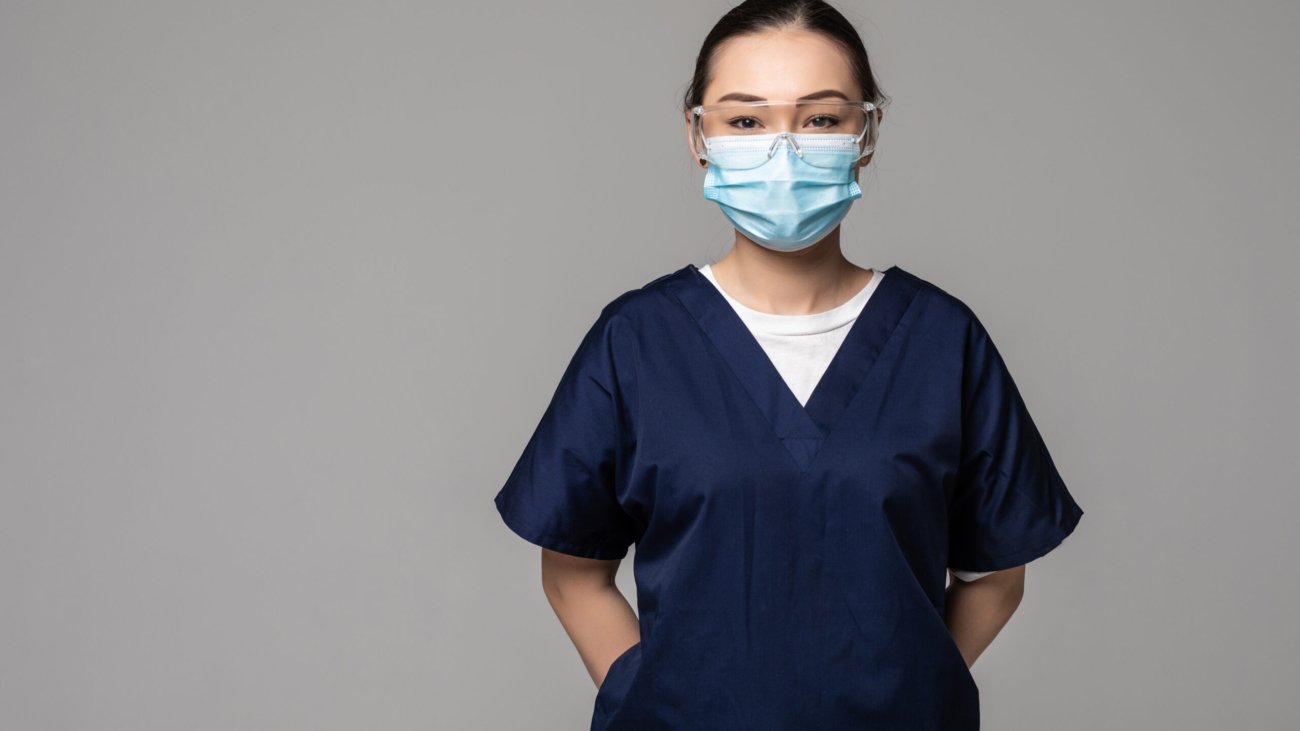
Healthcare professionals work long hours in demanding situations and require comfortable clothing. Not only are uniforms designed to look appealing, but the materials used to make uniforms are important to comfort, cleanliness and high standards of care. The most important feature regarding medical uniforms is breathability. Let’s take a closer look at how important this feature is for medical professionals when considering purchasing their medical uniforms.
Why Breathability Matters in Healthcare Settings
Medical staff are constantly on the move walking, lifting, bending, and responding to urgent situations. These activities naturally increase body temperature. When uniforms trap heat and moisture, discomfort sets in quickly. Breathable fabrics allow air circulation, helping regulate body temperature and keeping the wearer cool even during high-pressure tasks.
Studies on workplace comfort show that proper ventilation in clothing can significantly reduce fatigue and improve focus. In healthcare, where attention to detail can affect patient outcomes, staying comfortable supports better performance.
Moisture Management and Cleanliness
Breathable fabrics are made with moisture-wicking properties to help draw moisture from the body. If sweat stays on the skin, it creates an environment for bacteria to grow and causes skin irritation. In a healthcare setting, cleanliness is vital not only for the employee wearing the uniform but for patients as well.
Moisture-wicking fabrics also allow uniforms to dry quickly, reducing the chances of staying wet for long periods of time, and therefore minimizing odour. This helps keep healthcare workers feeling fresh for the entire length of their shifts regardless of how long they are working.
Improved Comfort for Extended Shifts
Many doctors, nurses and support staff have work days that exceed eight hours long. When wearing clothing that traps heat or restricts motion during these longer shifts, workers could experience an increase in stress. Breathable fabrics will allow for lightweight and comfortable apparel allowing for free movement and reducing skin irritation.
When uniforms are comfortable, it allows employees to concentrate on their duties and not have any distractions due to discomfort.
Increased Flexibility and Mobility
Many times breathable fabric is blended with a type of fabric that provides flexibility, allowing for movement without restriction, when medical professionals reach for equipment or help patients, to be able to move freely is important.
When uniforms are designed to allow natural movement, this contributes to increased efficiency and decreased strain on the body while performing physical tasks.
Environmental Temperature Control
There are distinct temperature zones in hospitals and clinics; operating rooms are usually colder and patient rooms are usually warmer. This type of temperature variation can create thermal comfort problems for healthcare workers. Breathable fabric has properties that help mitigate these types of issues by allowing excess heat to escape while providing comfort to the individual.
Durability with Comfort
Contemporary breathable fabrics are constructed to be lightweight yet durable. Healthcare workers regularly launder clothing due to their job and therefore need high-quality materials that will last through many wash cycles and still maintain their original shape and performance quality. Because of this combination of comfort and durability, breathable fabrics are well suited to be used for medical uniforms.
A Practical Tip for Selecting Medical Uniforms
When choosing a medical uniform, select one that includes some or all of the following features:
1. Moisture-wicking properties.
2. Lightweight and soft textures.
3. Quick-drying ability.
4. Flexible fabric blends.
5. Ease of maintenance and wash resistance.
All of these features will help the medical uniform remain comfortable and hygienic during the entire time it is worn.
How Wearing a Medical Uniform Affects a Professional Image
The right material can also help maintain a uniform’s neat appearance. If someone sweats too much while wearing their uniform, it can be stained and creased, negatively impacting how they look. Keeping your body cool and dry will help you maintain a clean and professional image.
A neat appearance contributes to a patient’s confidence in the healthcare provider. A healthcare provider wearing a neat uniform shows that they are someone who has discipline and takes care of themselves.
How Comfort Has a Positive Impact on Productivity
When medical professionals are comfortable and experience no distractions (e.g., overheating), they can give their full attention to caring for patients. By keeping the body cool and dry, breathable fabrics reduce the amount of physical strain on healthcare providers and keep them alert and energized.
Over time, being able to focus solely on the job at hand will produce greater job satisfaction and lower levels of fatigue, both of which are critical in high-stress medical careers.
Conclusion
A breathable fabric isn’t just a nice addition to a medical uniform; it is the core characteristic necessary for a medical uniform to serve its purpose effectively. Breathable fabrics promote hygiene, mobility, thermal balance and overall performance in healthcare practitioners who serve others. They also give the healthcare practitioner clothing that cares for them too!
